
Little Revolutions
men, the unstoppable pull of radicalism, too many Ellen Willis quotes, weight lifting, OOTDs

1. From the #notallmen files:
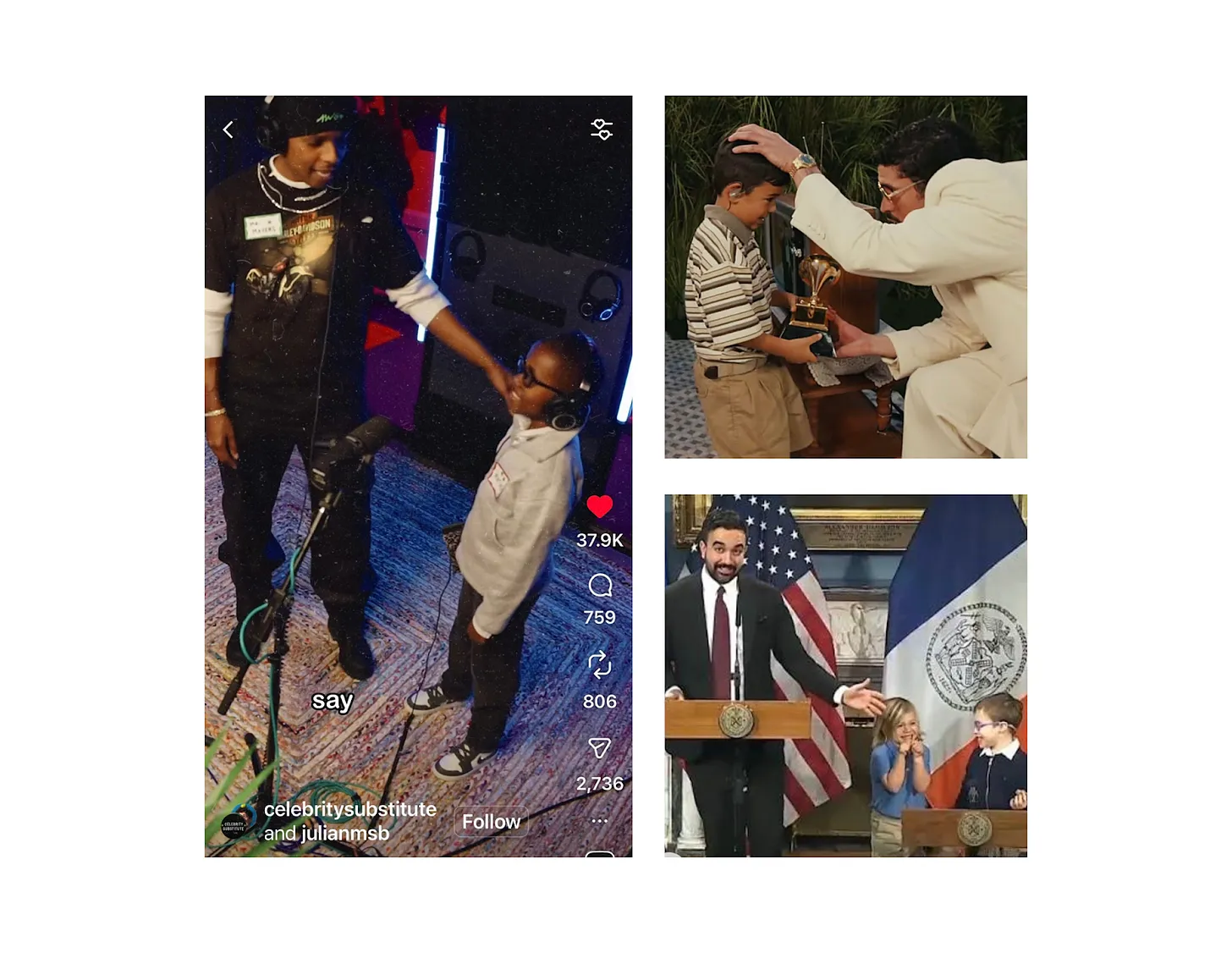
Are men back? I gotta say, between Heated Rivalry, Bad Bunny, Zorhan Mamdani, A$AP Rocky, and Alex Prett (RIP), I’m bullish on masculinity atm. I know we’re deep in the ‘files’ and seeing the depravity of patriarchy has messed me up in ways I couldn’t previously imagine. Oh, and recently, Scott Galloway said fathers aren’t even needed for the first two months of a baby’s life, nor are they needed during labor and delivery. I’ll never understand why anyone listens to him. Diabolical Lies had a thorough review of his book on masculinity and the TL;DR is Galloway thinks women need to give up some hard-won autonomy so men can feel like providers again.
But, back to all the good men listed above, fictional and real. One way to put yourself in the ‘good guy’ column is to respectfully connect with kids. I know Heated Rivalry is fictional, but the scene where Iyla plays with kids in the pool and Shane watches from the pool chair, conveying that look of imagining the rest of your life with the person of your gaze, warmed my misandrist heart. A$AP Rocky, as Mr. Mayers the substitute teacher, rapping with fourth graders is a class act in connecting with kids. The scene where he works one-on-one with Mathew feels like a contemporary version of Jesse Jackson’s (RIP) call and response on Sesame Street in 1972. A$AP Rocky brought fatherhood to his fashion line where he designed baby carriers and sent male models down the runway with strollers. Oh, and his Bottega Veneta campaign is pure eye candy to my female gaze: cute babies and a beautiful man/dad playing with them. Together, all of these scenes remind us how central care and kindness are with masculinity.
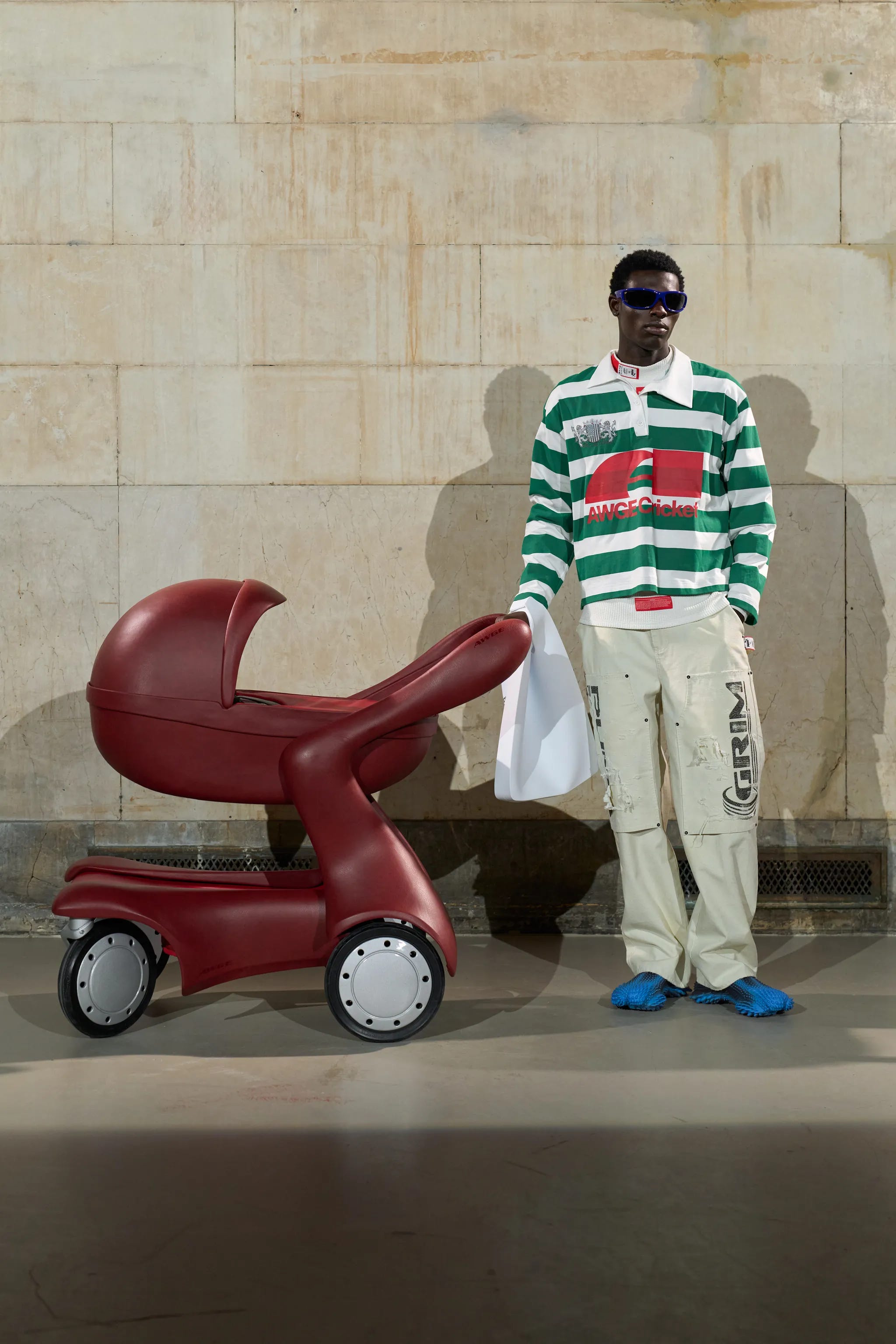
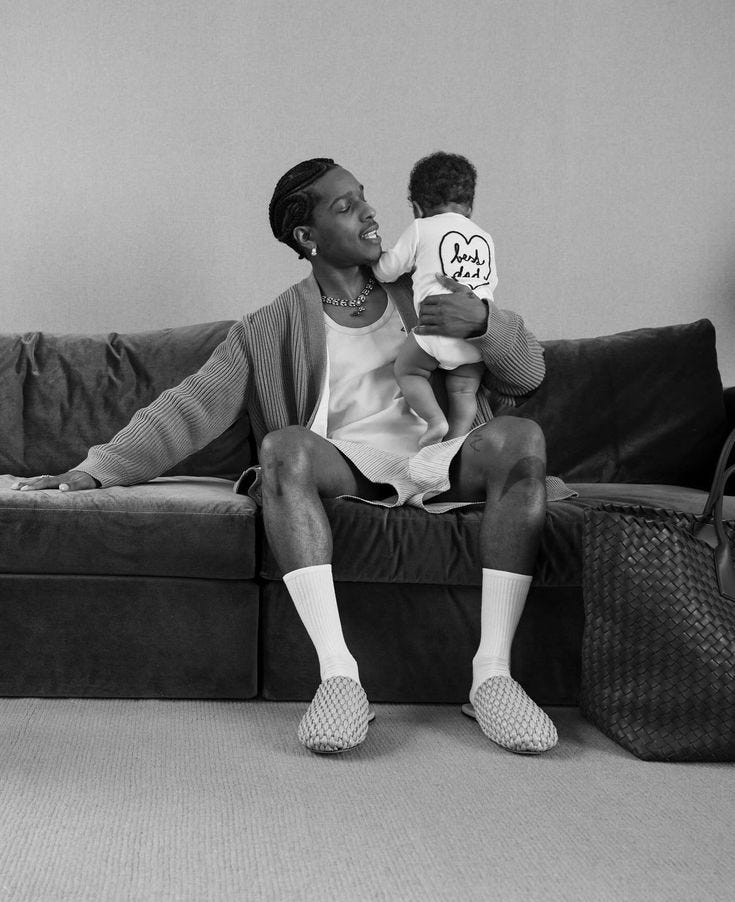
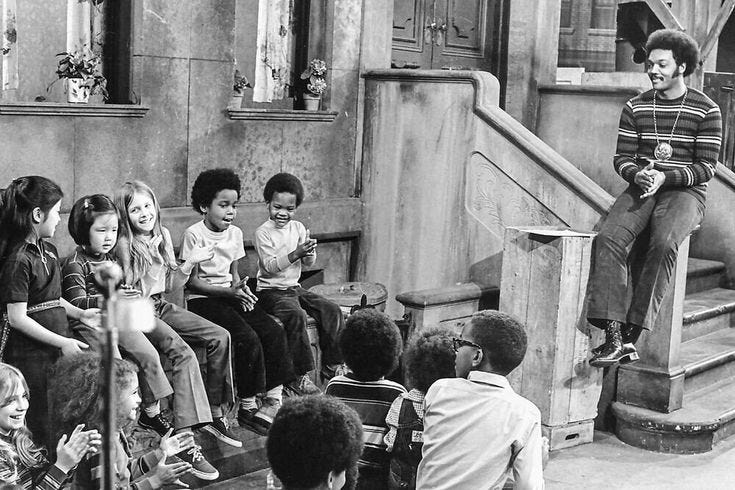
These versions of masculinity--men listening to and caring for kids--are powerful tools against the loser, “titty baby” (iykyk!!) men running things atm.
2. Ellen Willis
In my last post I mentioned my Ellen Willis obsession. I love her writing so much, I find myself not wanting to do more than quote her. I feel like she’s offering the road map we need to fully grasp how we landed here.
I’ll start with her 2006 essay “Escape from Freedom: What’s the Matter with Tom Frank (and the Lefties Who Love Him)?”. In it she offers a critique of Thomas Frank’s What’s the Matter with Kansas book/argument (ie that the left/democrats abandoned working class politics and became to coastal elite coded)1. Willis compares his argument to similar logics used during the rise of Nazism (and also all the mainstream left voices since Reagan’s first win). She captures the appeal of the Nazi party to the German working class and describes how then (as now!) the popularity of the reactionary right was completely missed, in part, because the Left’s exclusive focus on class missed the deeper psychological pull of right wing reactionary political ideologies.
Reactionary politics aim at the ‘destabilizing chaos’ following radical moments of freedom, especially the expanding freedoms around sexuality. The Nazi Right was a reaction to the “first great wave of cultural radicalism in Europe and America” (circa 1900-1920s). She describes how liberatory “movements that encourage us to fulfill our desires are bound to arouse conflicting emotions, to intensify people’s yearnings for freedom and pleasure, but also their anxiety and guilt about such primal rebellion.” The right picks up on the “anxiety and guilt” part of the equation and exploits it by tying it to imagined others: immigrants, Jews, women, feminists, blue haired baristas, trans people, and on and on.
The quote I keep thinking about when, say, Tim Cook hangs out at the White House, or the corporate backed democrats think if they say “affordability” enough they’ll win, is the following:
Then as now, the left saw right-wing populism as purely a tool of corporate interests. For their part, the corporate interests thought they could control Hitler for their own purposes. Both were wrong. In the end, the murder of six million Jews could not be explained by class analysis.
Willis argues the left failed to stop Nazism, and failed to appeal to working class Germans, because they did not offer a compelling version of freedom and pleasure. The left was unable to psychologically tap into feelings of “equality and freedom,” especially “freedom from sexual restrictions dictated by patriarchal religious norms.” The left hasn’t been successful, in part, because the big D Democrats are too tied to corporate interests, and mistakenly believe cultural issues are exclusively those of the upper classes. How rude.
And, sorry to keep quoting here, but focusing on class alone “is to say that sexual satisfaction or frustration, bodily integrity and autonomy…the happiness or misery of our lives as lovers and spouses, parents and children” does not matter, or only are the concern of the so called coastal elite, professional classes. Willis warns that economic issues are completely bound with cultural ones.
My other academic crush, Lauren Berlant, wrote something similar on the rise of Trump. They stated, “People would like to feel free. They would like the world to have a generous cushion for all their aggression and inclination.” Trump gives people space to unleash aggressions, however illogical such aggressions may be.
These quotes remind me that a winning political message must also be a message of freedom. A “no one is free until we all are free” kinda message, which Mamdani absolutely nailed, and it worked. Definitely NOT a message denying any group the promise of freedom, pleasure, liberation. So, no, Ezra Klein/Gaven Newsom/Scott Galloway, we are not going to run a pro-choice democrat, belittle transpeople, or carry water for misogyny. Again, never missing, Willis suggests the reluctance to take a stand on so-called ‘cultural’ issues, such as abortion, predictably comes from white men who have “nostalgia for a time when white liberal men were heros…before they were robbed of the spotlight by blacks, women and gays.”
Willis observed “the strategy of pandering to the right was an abject failure: Reagan was elected; the ERA lost.” I hope decades of failure and two Trump terms gets this message through. Gotta say, I am a little hopeful it is.
More Willis in the works, this isn’t even my favorite essay by her!
3. Escape from the Apple Watch!
My foot is better! I also DITCHED the Apple watch! I haven’t opened the step counter since December and I’m feeling fine. I also stumbled upon THIS sub by Nadia about Lisa Lyons and strength training and I’m obsessed. The weight lifting, the muscles, the 80s gym style, the philosophy, and the hair.
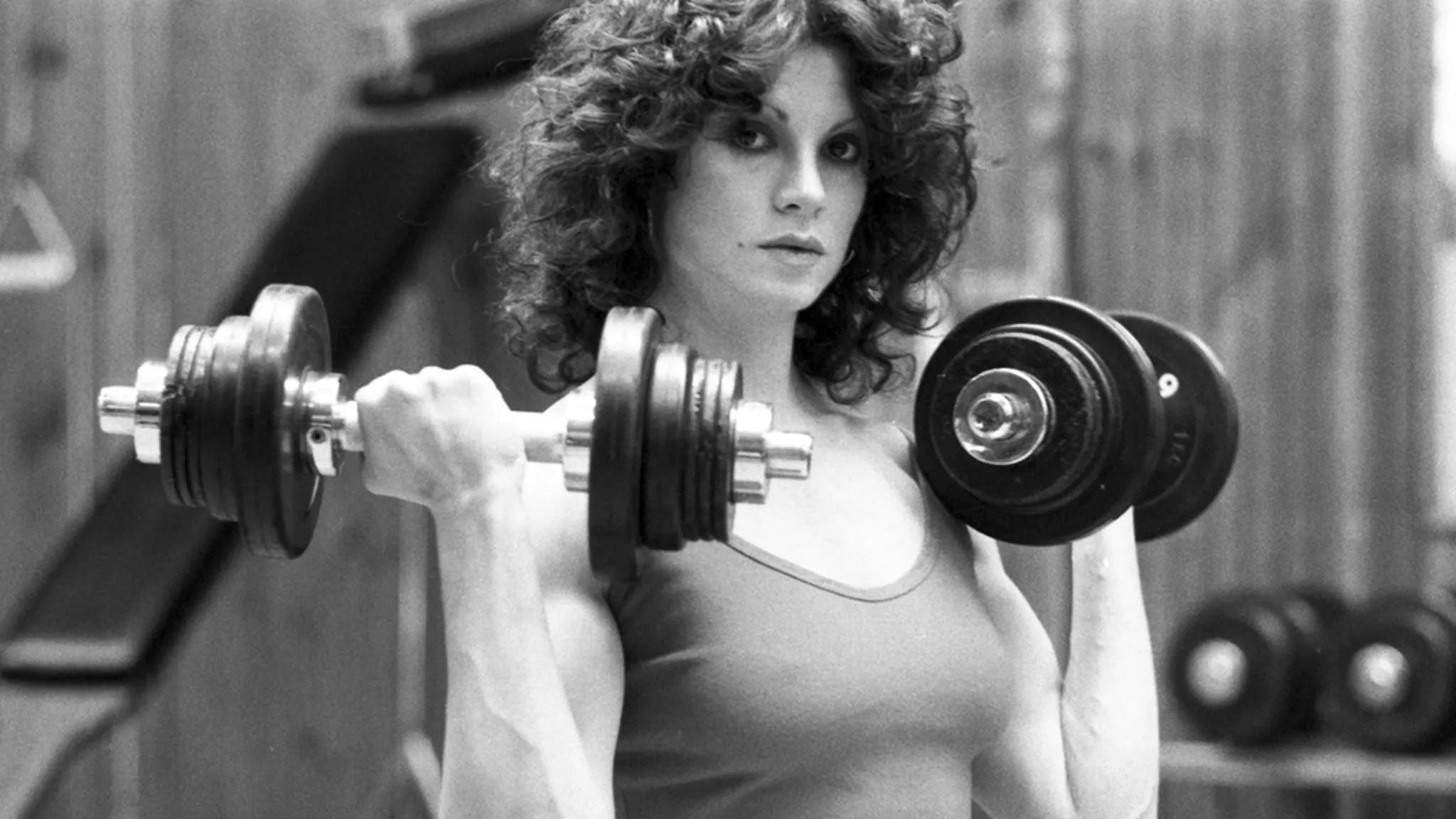
4. Class work
Ok, on to my sociology lecture for the beginning of the semester:
The first thing I have my Fashion and Digital Media students do is compose an OOTD (outfit of the day) “post.” I have no rules around it, other than take an OOTD photo and write about it. And even these rules are really only suggestions. Students do not have to post anything, and they don’t have to share the photo with me or anyone. They can write about the process from various angles. (I offer an option to NOT do this assignment, too.) For some students, making OOTD is second nature and they’ve never critically thought about the steps involved. For others, the assignment gives them permission to step out of their comfort zones.
I ask students to do this because a major goal of the class is to understand digital labor, nowadays often called content creation. Young people are steeped in so many different genres of online self-presentation, and I want students to slow down and consider all the steps required to put stuff on the internet. We spend the semester discussing such labor, who it is for, the value of it, and what we get out of it. I’ve always thought of this class as a side door into the sociology of work.
Also, because OOTD posts are so routinized, most students don’t easily see how revolutionary they were to both the fashion and the digital technology industries. Being able to pose, style, and narrativize the self was a massive break in how and to whom fashion was distributed. The insular gatekeeping of the fashion industry couldn’t hold a candle to the massive audience reach and economic pull seemingly random people on the internet had.
Safe to say, the fashion industry has circled the wagons and found ways to tap into the economics of the OOTD. Still, whenever a new platform takes off, such as Substack, we get a moment of early adopter bliss and some new voices get a foot in the door. [see Viv Chen Dacy Gillespie Eleanor to name just a few!]. The OOTD genre resists complete capture by the fashion industry because unpredictability is the driver of value and attention both online and in fashion.
Out of all the various niches and formats on social media, OOTD remains one of the most enduring and popular types of content because audiences are so curious about other people’s daily lives https://www.vogue.com/article/the-economy-of-ootd
The internet’s pull, for users, has always been other people. And, the power of the OOTD cannot be overstated in ushering digital tech into our everyday lives.
This is also why I can’t get too worried about A.I taking over, even if I am worried about the outsize influence those in this industry have atm. A.I. cannot create personal style (let alone taste!), no matter if it has all the data sets in the world. I’ve said it before (over here, at aux etoiles ), but it bears repeating: fashion is by its nature, by definition, a bulwark against technological capture. I’ll die on this hill. Fashion cannot be predicted, that’s what makes it fashion! And, all AI offers is prediction: prediction based on the past.
Fashion cannot be predicted because it comes from everyday people, responding to what’s around them and re-configuring it to create new meaning (a la John Fiske) or in attempts to jockey for class position (a la Geogr Simmel). Fashion is unpredictable because it is the stuff of friction: class, political, gender, age, racial, etc. AI is not only unable to experience social friction, it is always backwards looking, it runs on what has been. Fashion would never!
I do think fashion can be forecasted but only by real humans who study social signals, as ANU does. If our machines start dictating what styles are available, I trust us humans to undermine, reconfigure, and create something new out of what the bots spit out.
Fashion’s impetus comes from class differences, hostilities, and boundaries, and I keep wondering if fashion would exist without inequality? If the elite were not trying to protect their eliteness, or if the middle and lower classes were not in conflict with the wage labor system and all the social inequalities, would we even have a need for fashion? Thinking through this now, would love to hear your thoughts!
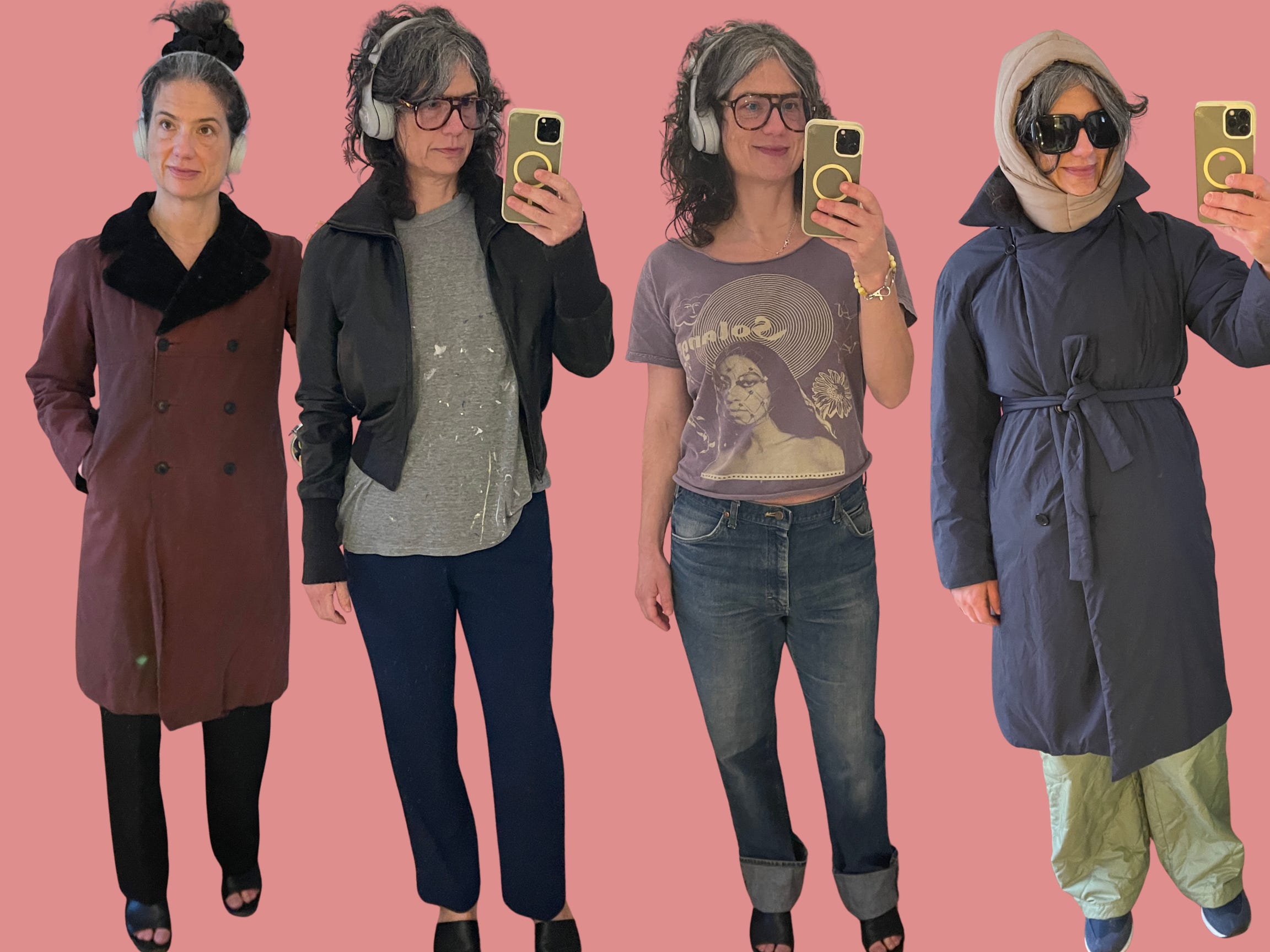
And a few favorite winter OOTD from me. The first is my CBK inspired look. The middle two are inspired by the “nho girl” (petite girl), which I am decidedly NOT. They nail 90s style, while refreshing it for today. The last is really what I’ve been wearing on repeat with the snow and freezing temps.
(no affiliate links, just the shit I wear in the depths of winter).
I’m pretty sure this was her last long form published essay. The book edited by her daughter, Nona Willis, includes the last, unfinished manuscripts she was working on.
Kara, I absolutely loved this essay! I think self-decoration will exist even in an egalitarian society, and people may still be influenced by each other's choices as well as inspired to get creative with the materials at hand. But will we call it fashion? I do not know!
Love you and will be thinking on all of it! Love the outfits! The girls would enjoy the assignment. Obsessed with the weight lifting! Will spend time with it tomorrow, in sync with a recent shift I made. Trying to stay hopeful with the economics. More on that. 😘💖